Morgan Watson - Caretta Counseling For Sexual Minorities
Answers provided by: Morgan Watson (she/her), Founder of Caretta CounselingCaretta Counseling is a queer-owned group practice offering affirming online therapy across Washington State. They specialize in holding space for the LGBTQIA2+ and neurodivergent communities, with deep expertise in trauma, gender identity exploration, and the complex beauty of life transitions. Their mission is to provide a soft landing where you don’t have to "translate" your experience to be understood.
They believe healing should be more than just clinical - it should be creative, playful, and rooted in the possibility of who you want to become. Whether you are navigating family-of-origin patterns or seeking to thrive in your relationships and community, our clinicians provide a social-justice-informed space where your full, complex self is celebrated.
Caretta Counseling is currently accepting new clients. Schedule a free 20-minute consultation at carettacounseling.com!
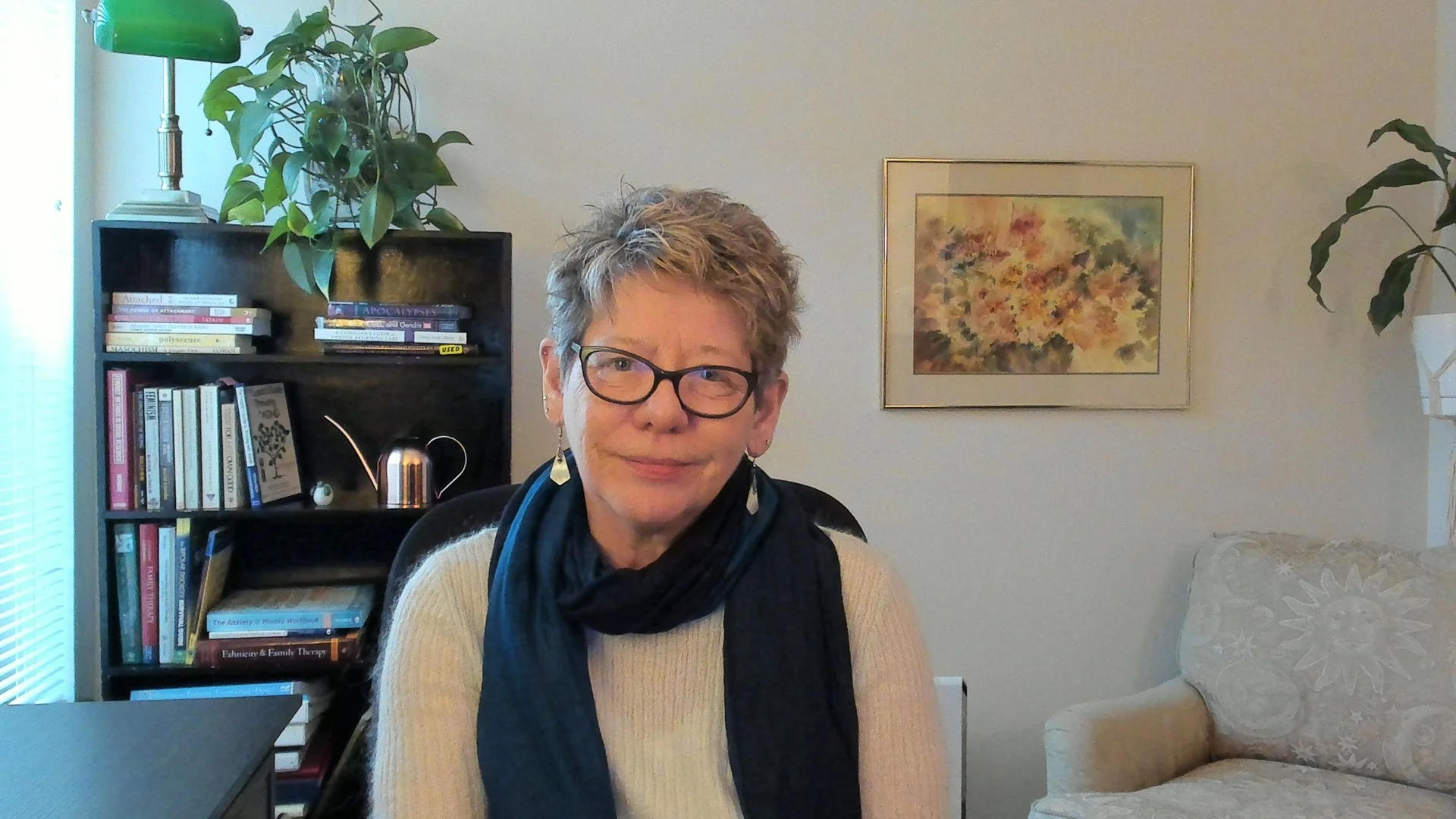
Welcome to Morgan’s home base. This is the exact view you’ll see during your sessions - a dedicated space for real talk and queer joy.
Image provided by Morgan Watson
1. Tell us about your journey. how did your queer-owned business come to life?
Like many therapists, I came to this work through my own life experiences. I came out at 32, and during that transformative period, I was also in therapy working through family-of-origin issues. While some of that experience was helpful, I also encountered some objectively problematic moments. Those experiences, combined with the support I found in community groups, made me realize I could offer something better.
After earning my M.A. at Antioch University and completing an internship at Seattle Counseling Service for Sexual Minorities, I opened my private practice in 2008 in Capitol Hill. In 2020, I transitioned to telehealth on the same day the world shut down for Covid, and I’ve been working remotely ever since. Recently, I expanded into a group practice with Dr. James Kuhn, staying dedicated to providing quality, affirming care to the queer community.

Meet Scylla, Morgan’s unofficial (and unpaid) co-therapist. She’s a specialist in grounding techniques and will quite likely make a cameo during our sessions together.
Image taken by Clark Rowan Photography of Morgan Watson
2. What mission or values guide your work and how does being queer-owned shape that vision?
At the heart of Caretta Counseling is a commitment to providing compassionate, culturally responsive care that honors every person's voice. We offer a safe space where you can process life's stressors and build self-worth. Being queer-owned shapes everything we do—my colleague Dr. James Kuhn and I bring lived experience to our work, so you don't have to explain yourself or "translate" your life to us.
We work from a social justice lens, using an intersectional framework to see every client in their full complexity. We consider how age, disability, race, sexual identity, and gender all shape who you are. Whether you are navigating gender identity, polyamory, or kink, we hold space for all of it without judgment.
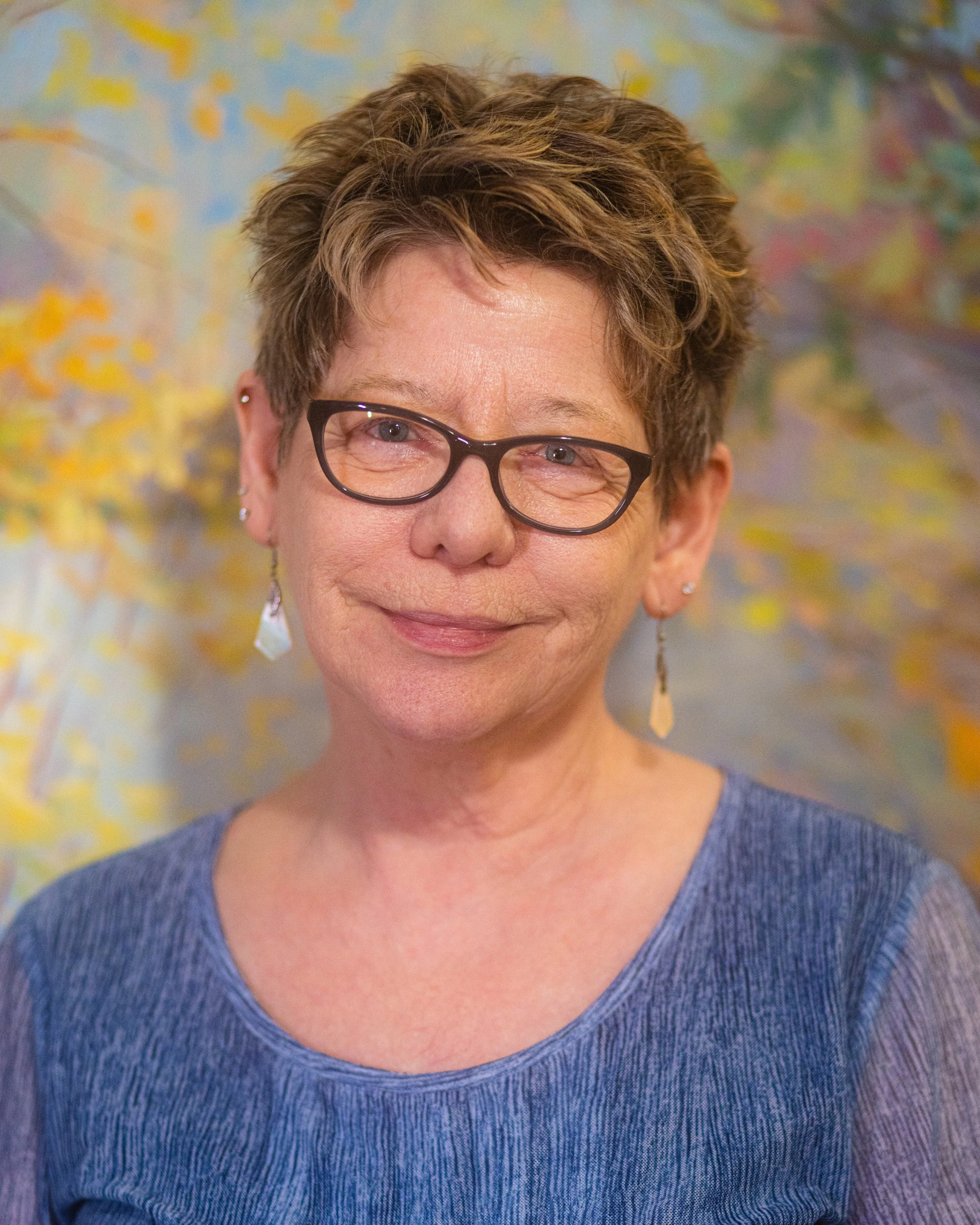
Morgan Watson, LMHC
Image taken by Clark Rowan Photography of Morgan Watson
3. What challenges have you faced as a queer entrepreneur, and how have you overcome them?
The biggest challenge right now is the rise of large corporate therapy platforms. These companies dominate search results and social media, but they often prioritize profit over people. Some have even faced major fines for sharing sensitive mental health data with advertisers, and the "matched" care can be genuinely harmful - like the documented cases of therapists essentially practicing conversion therapy under these corporate banners.
As a clinician first, learning SEO and marketing to compete with these giants feels "icky," but I do it because quality, ethical care matters. Our community’s stories are sacred and deserve real protection, not algorithmic marketing. I’m overcoming this by staying transparent about what makes private practice different: genuine privacy, continuity of care, and a therapist who is invested in you as a whole person.
4. How do you foster inclusivity and community through your business?
Inclusivity starts with our hiring process. I ensure every therapist who joins us is genuinely committed to the queer and sex-positive community - it’s never just about checking a box. We want to ensure that from the first contact, our clients feel seen and affirmed without having to justify their existence.
Beyond the practice, I support GenPride Seattle, which provides resources and housing for LGBTQ+ seniors. Our elders paved the way for us to have these businesses, so supporting their community center at Pride Place is a priority for me. As we grow, I look forward to expanding our impact through more sliding scale spots and community education.
5. What’s one piece of advice you’d give to other queer folks looking to start their own venture?
Network, network, network. Building relationships with other queer entrepreneurs who understand your specific hurdles is invaluable. You need a circle of people who can offer perspective when things get tough.
I also highly recommend checking out Business Impact Northwest. They offer affordable business classes and free coaching specifically for minorities and veterans. Finally, delegate the busy work as soon as you can. I spent far too long trying to do everything myself, and it only held the business back.
6. What does "queer joy" mean to you, and how do you create or celebrate it in your space?
Queer joy is seeing my clients move from simply surviving to truly thriving. Because many of us grow up without good mentorship, learning what a healthy relationship looks like is a massive victory. My "happy place" is walking through the dating process with a client and watching them learn to spot red flags and set confident boundaries.
I also find joy in helping people navigate the holidays by reclaiming their self-esteem. We use tools like the "broken record" technique to help clients hold their ground with family. Witnessing someone repeat a boundary until the "dysfunctional dance" finally stops is a beautiful form of transformation and self-advocacy.
7. Who are some queer creators, leaders, or businesses that inspire you right now?
Honestly you Charlie, and Everywhere Is Queer! What you’ve built on a shoestring budget is incredible. Watching you create a global map of queer-owned businesses has actually inspired me to take my own baby steps into social media marketing. You've made it so much easier for our community to find and support one another.
I’m also inspired by business coaches who specialize in group practices. They help normalize the fact that we can’t do everything ourselves and help clinicians bridge the gap between being a healer and being a business owner.
8. What’s a song that feels like the soundtrack to your business journey?
"Forward Motion" by Daya. It’s the anthem for getting back up when life knocks you on your ass. Resilience isn't about being perfect; it's about the refusal to let setbacks keep you down.
That steady "forward motion" is the work we do in therapy and the work of running a business. It’s what I see my clients do every day, and it’s what keeps me going when things get difficult.
Caretta Counseling is currently accepting new clients for online therapy across Washington State!